


-
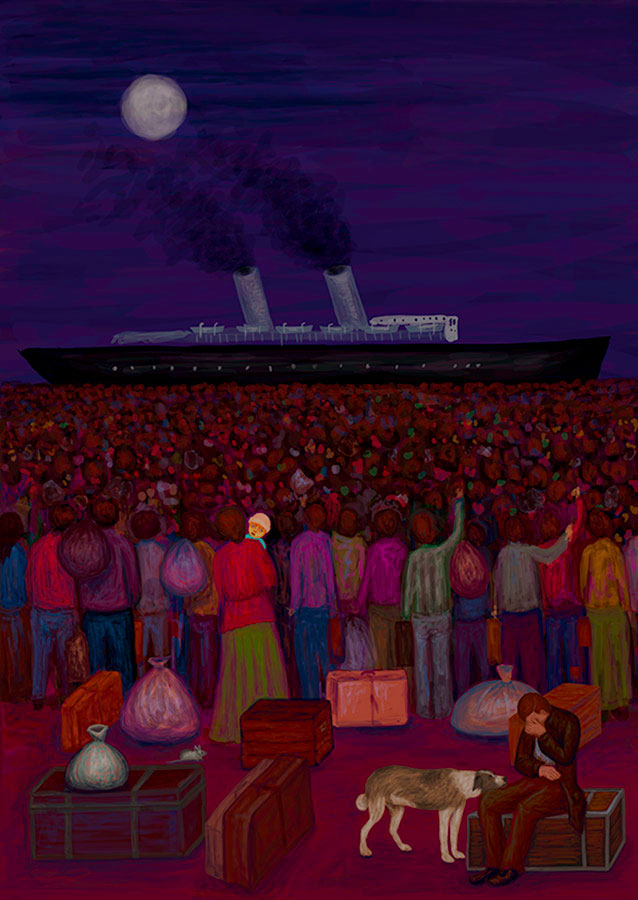
A countless multitude pours toward the ships, along the shores of the Black Sea, in Novorossiysk. It is March 1920.
-
 At the age of seven, she decided that she wanted to become a nun, and when she heard the stories about the wandering Russian pilgrims, she asked her parents for permission to live the life of a wayfarer, journeying from pilgrimage to pilgrimage.
 -
Hoping that she would meet genuine fighters among the workers, while she was still attending secondary school, she began giving evening art lessons at the Putilov factory, until she was told that the only reason they attended the classes was to become clerks and bureaucrats.
-
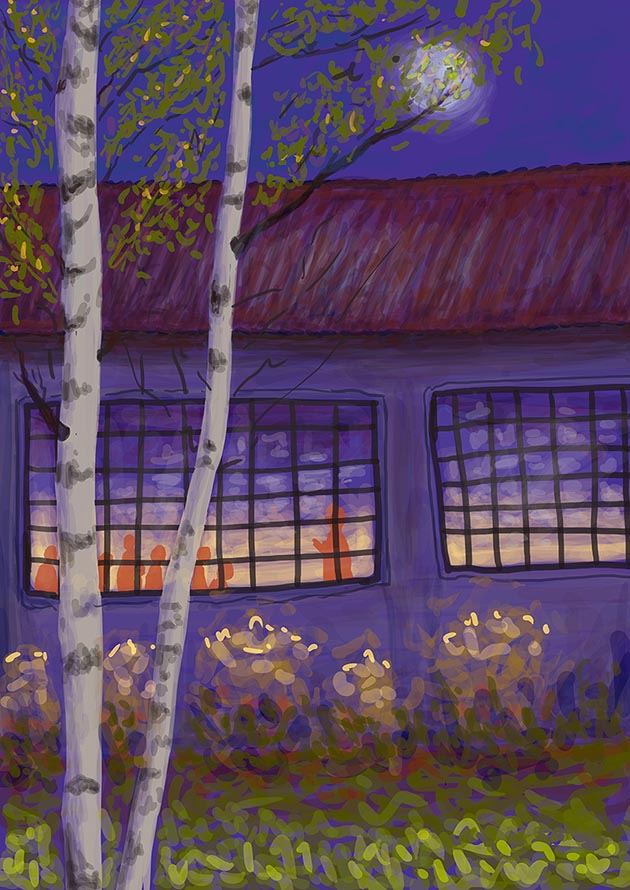
They woke up late and stayed up all night drinking and talking, organizing the Revolution.
-
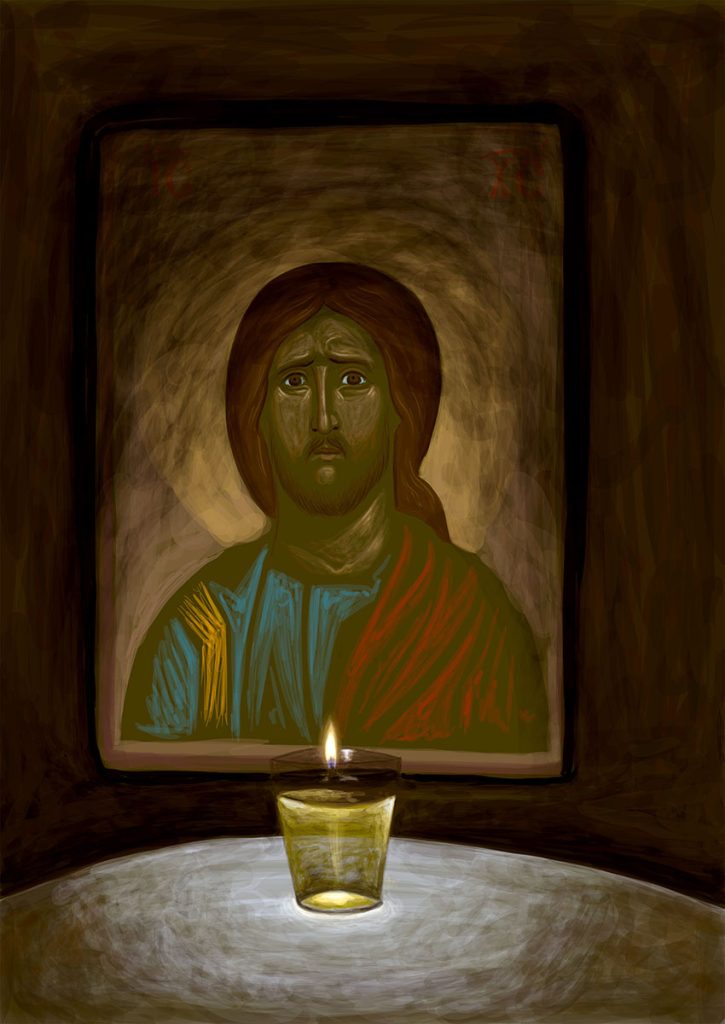
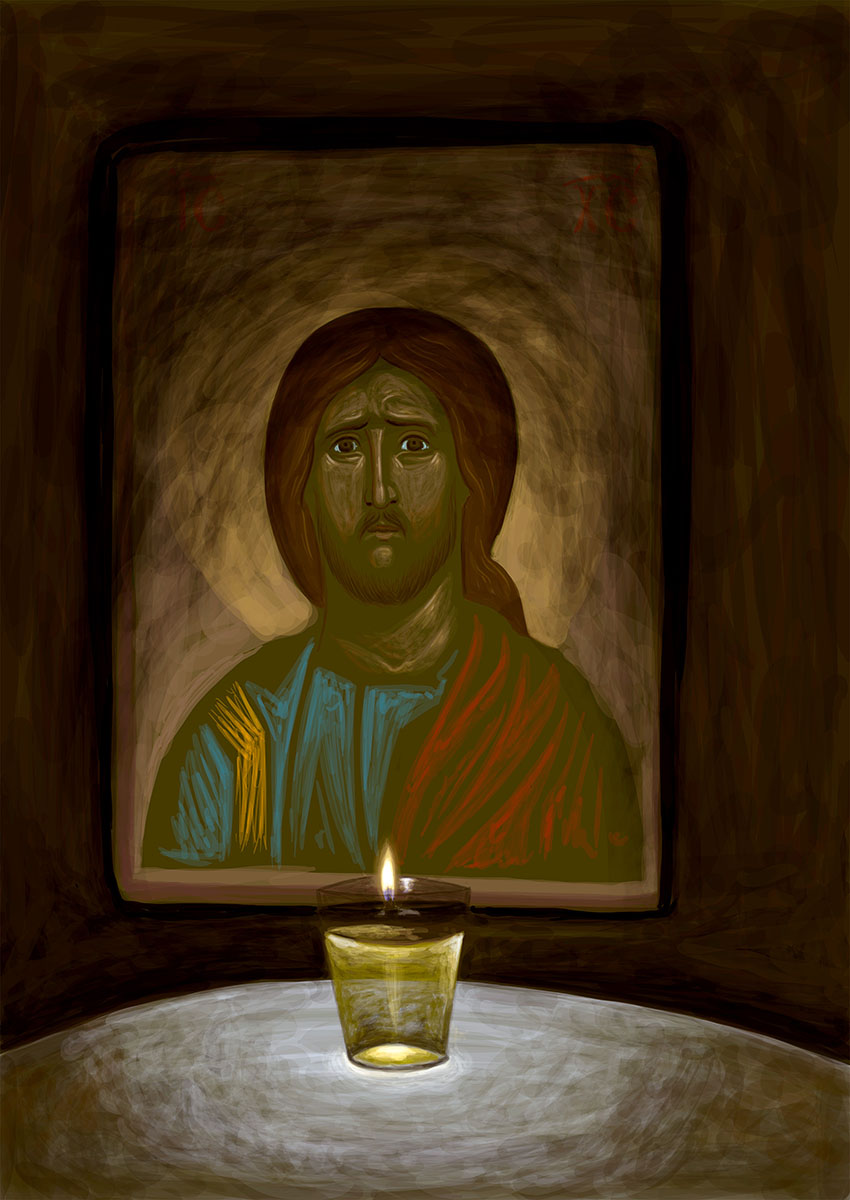 As her relationship with God deepened, her ascetic struggle grew in intensity. Liza understood this asceticism as a heartfelt attentiveness to the needs of others and as a struggle for a better human community (*sobornost*).
 -
In 1918, Liza was elected mayor of Anapa.
-
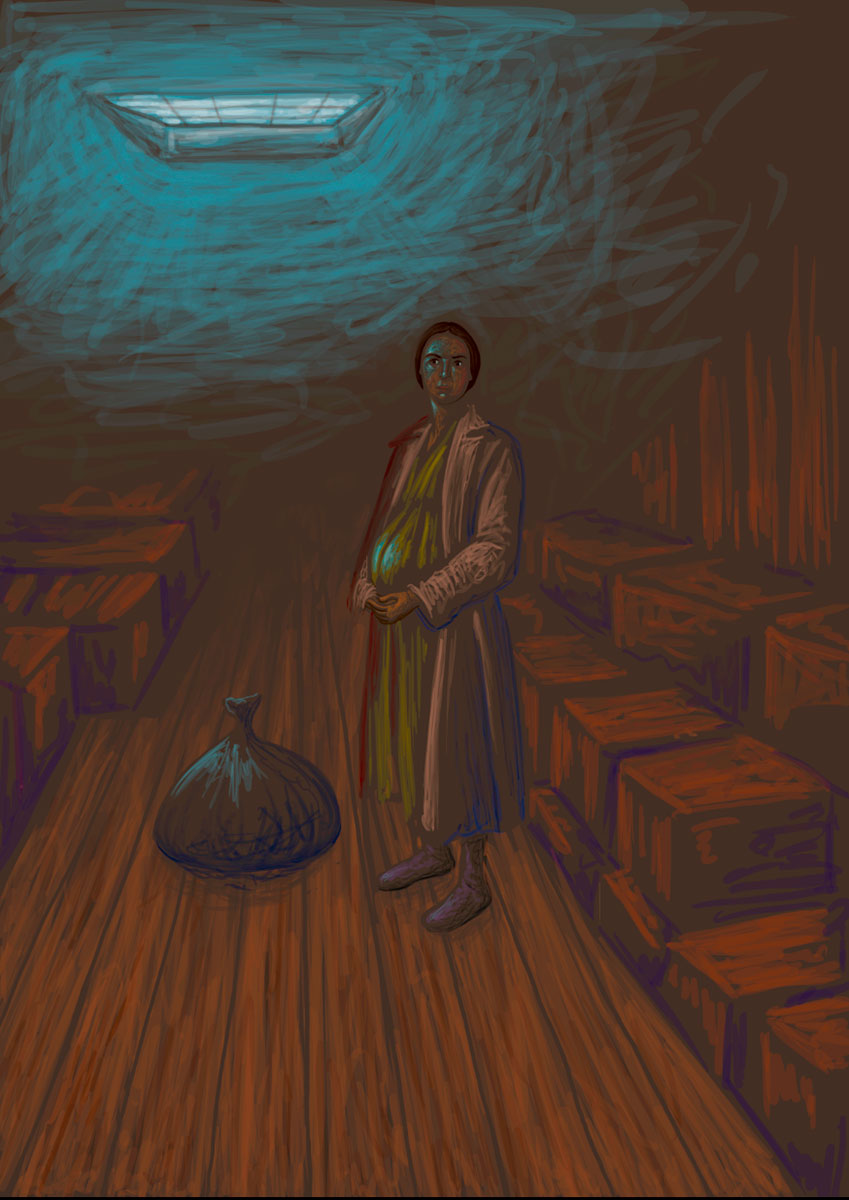 That March of 1920, despite the sea of people on the quay seeking escape, the pregnant Liza secured a place in the hold of a ship.
 -
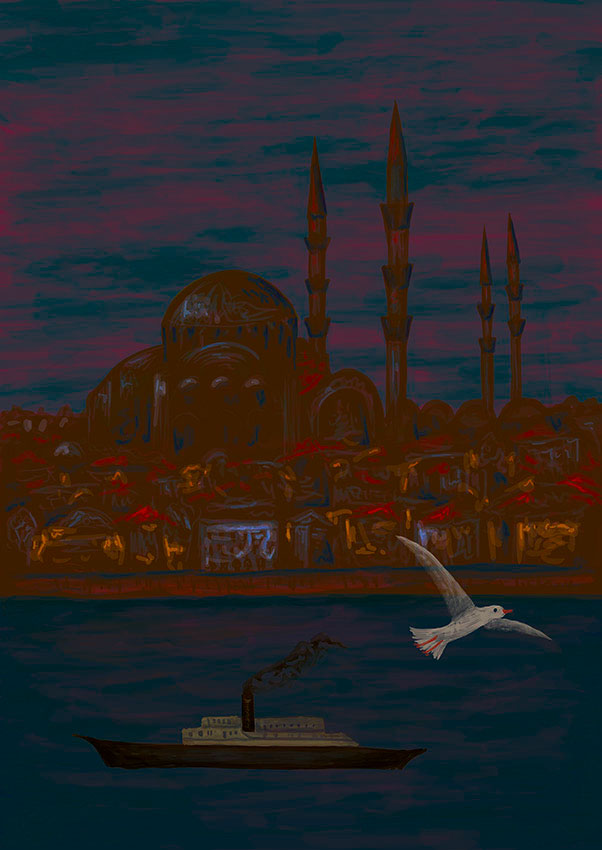
But Constantinople was only a stop along the way.
-
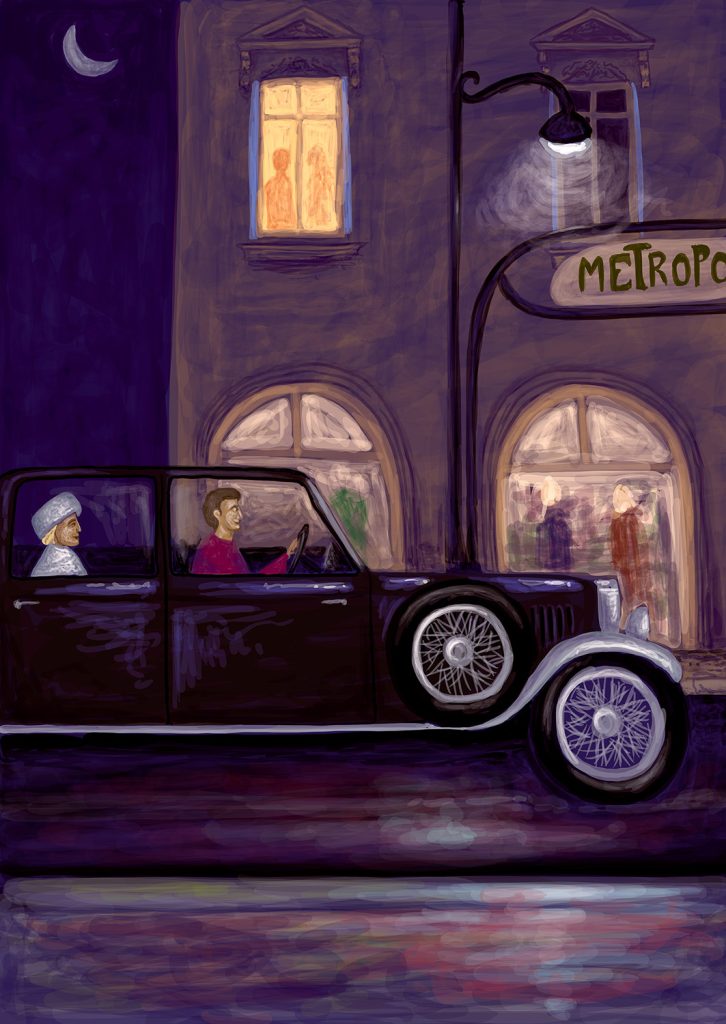
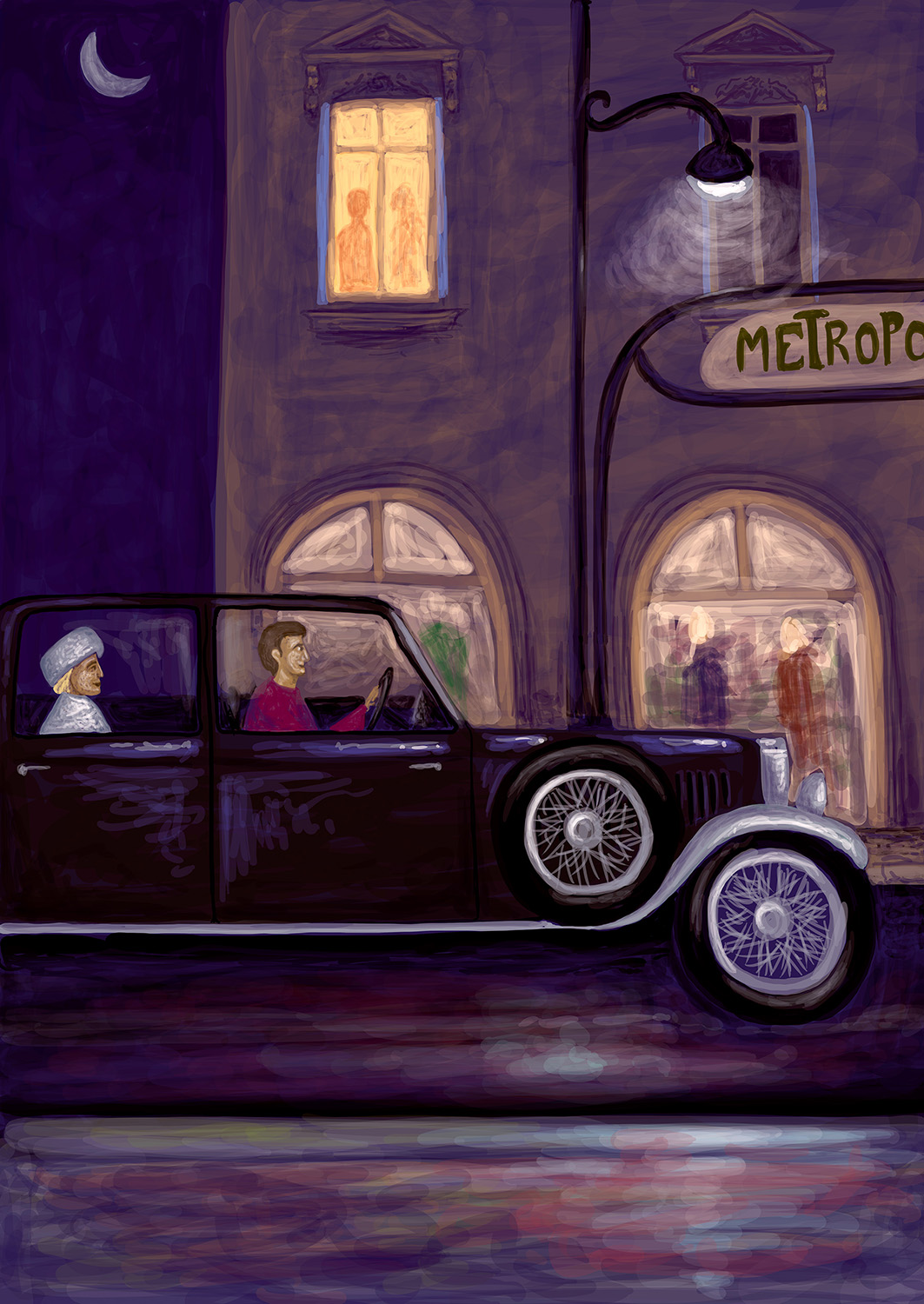 Daniil Skobtsov, the taxi driver, told her everything he managed to recount before the end of the ride.
 -
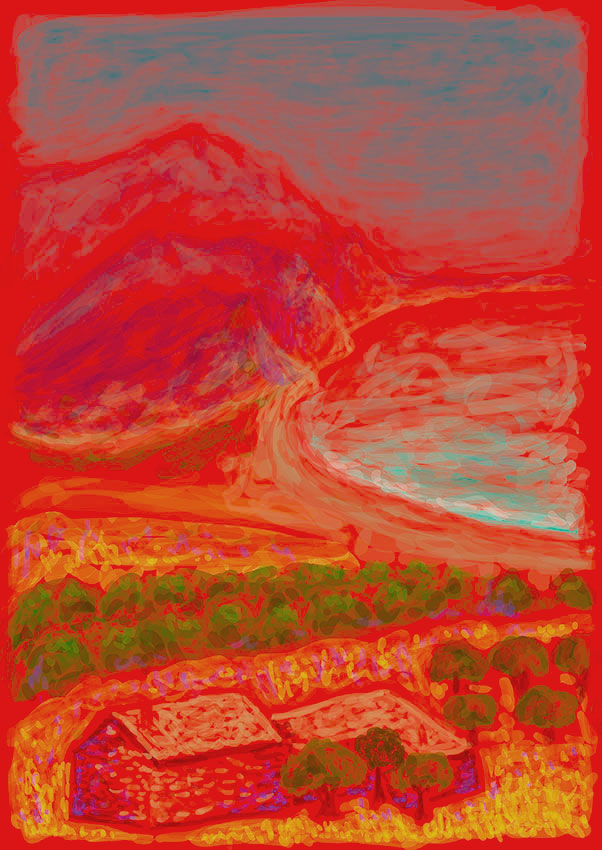
She traveled by train as far as the Pyrenees, to a mine where many Russians were working under miserable conditions.
-
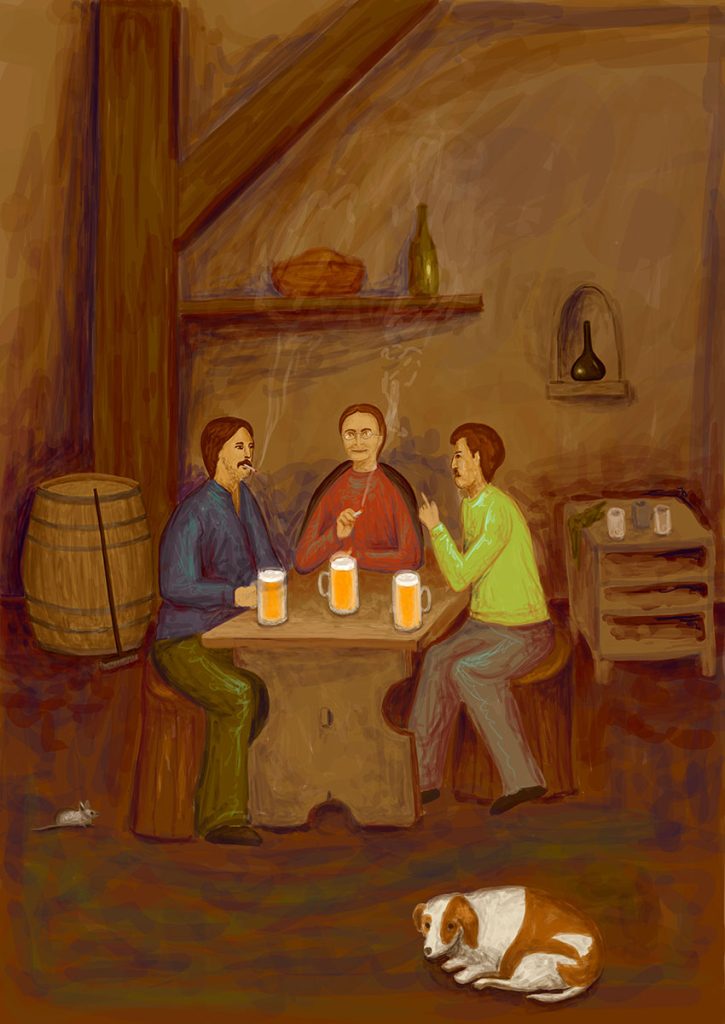
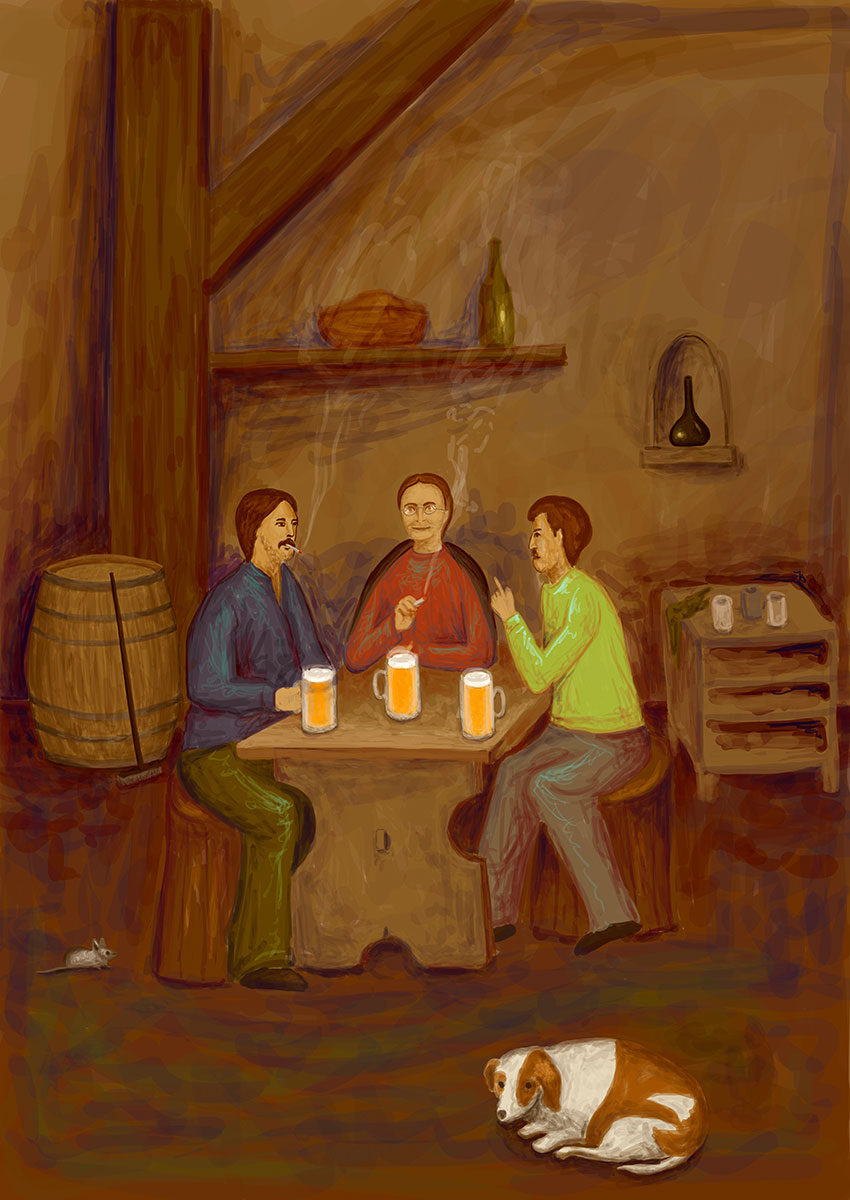 They lined up at the tavern to sit with her, drink a beer, and tell her about their hardships.
 -
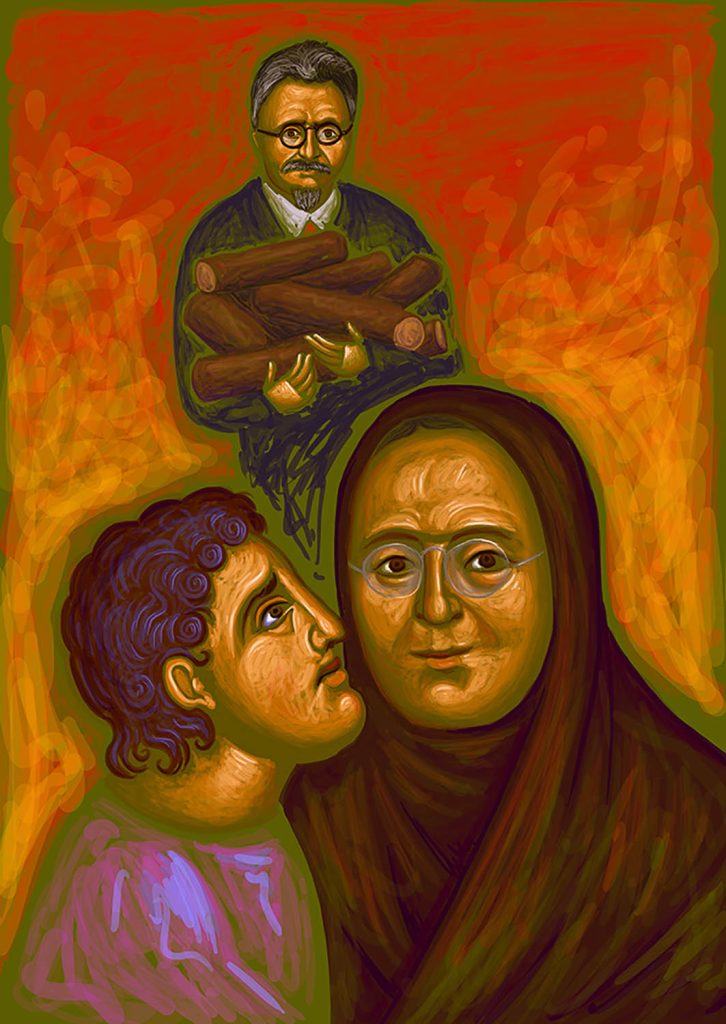
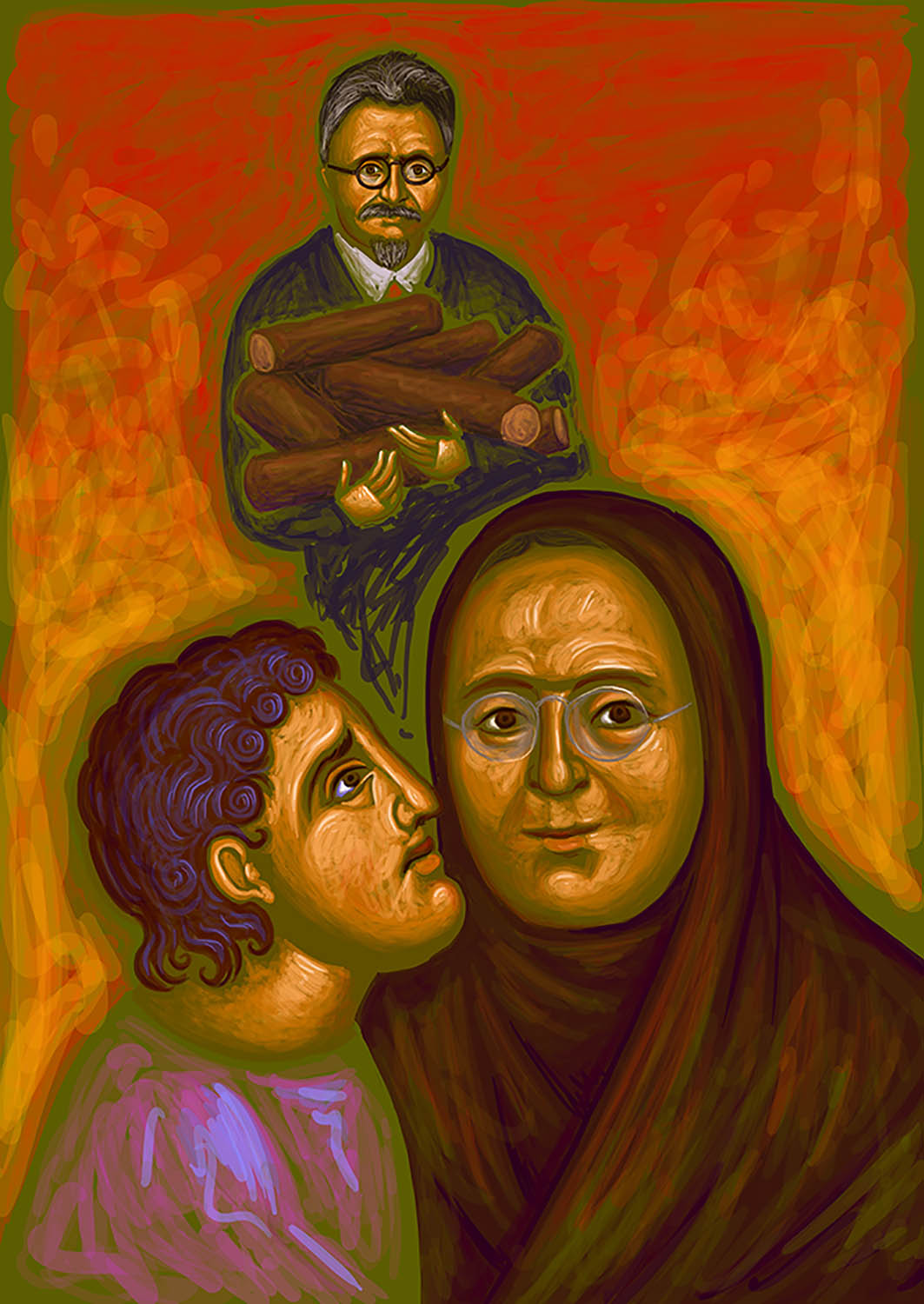 Trotsky’s offer—and the traitor.
 -
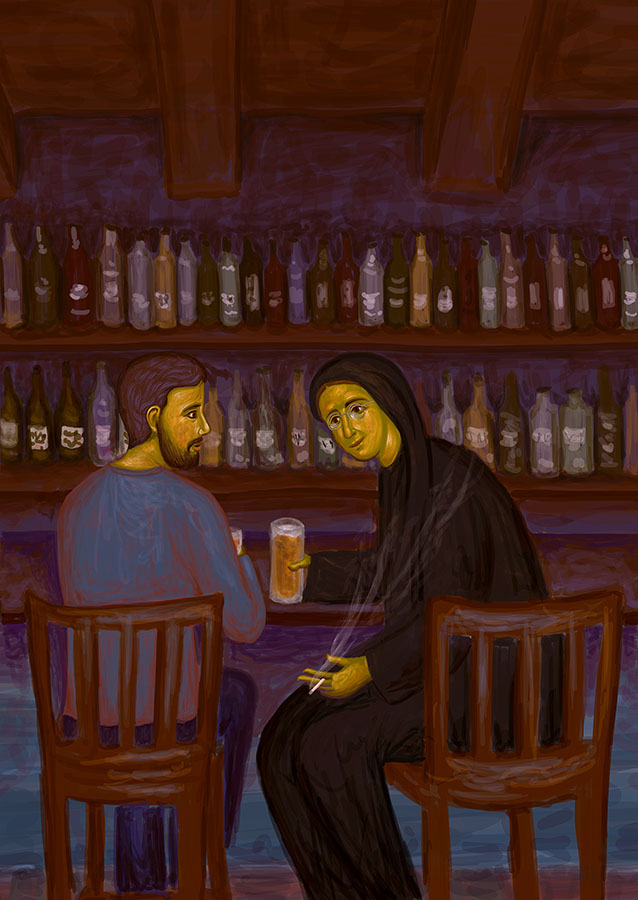
Thus, in order to “fish” for a soul, as she used to say, she would sit in bars and cafés, dressed in full monastic habit, with a glass of beer in one hand and a cigarette in the other—truly a rare and striking sight.
-
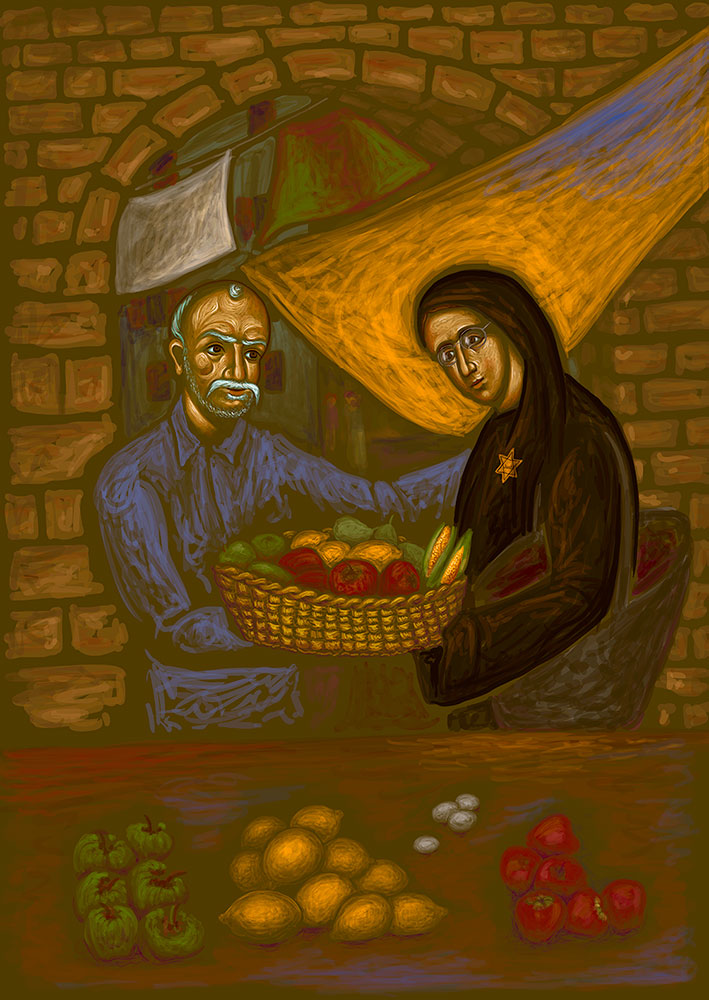
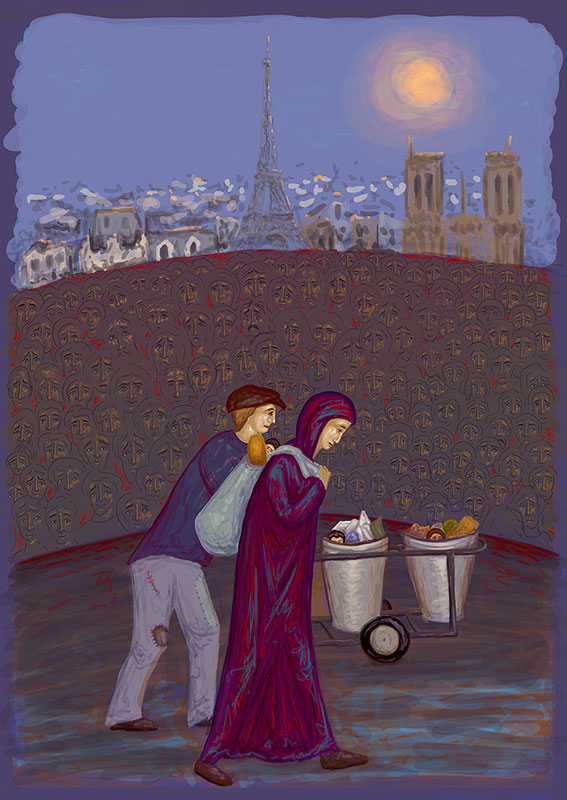
All the grocers and greengrocers of the open-air market knew this nun; they would set aside for her the last vegetables and fruits—fresh or bruised, it mattered little to her—which she carried each midday in large bags to the soup cauldrons, where more and more people would gather: 50, 70, 100, 150…
-
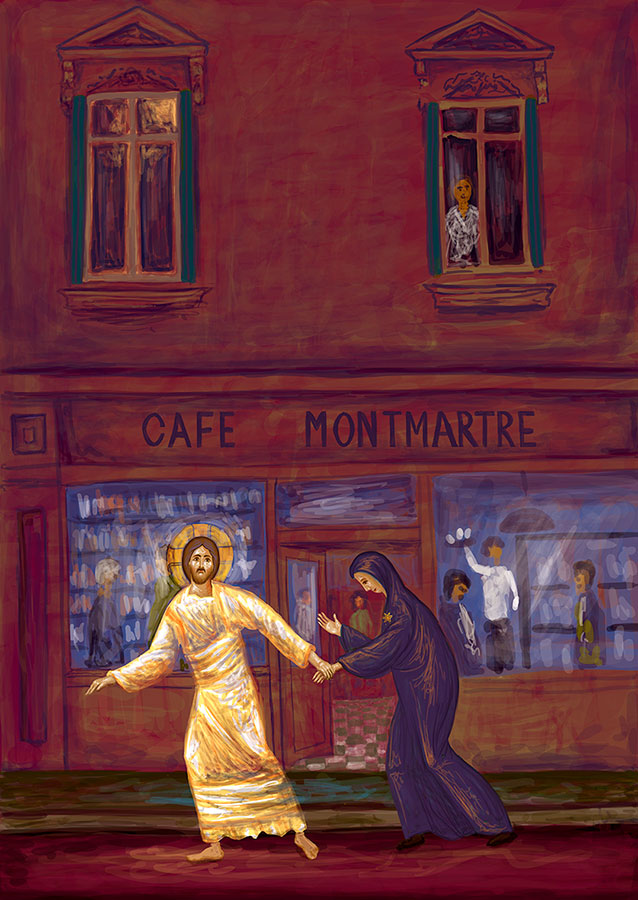
People tell me that I am not afraid. And yet, I am afraid—but I cannot turn back, because Christ takes me by the hand and urges me to move forward.
-
When, then, the Jews were gathered in that vast stadium, Mother Maria did not waste a moment. Under the pretext of distributing bread in bags—something she was allowed to do for the assembled crowd—she managed to hide small children inside the bins of her cart, and in this way she was able to save 400 children from terrible suffering and death.
-
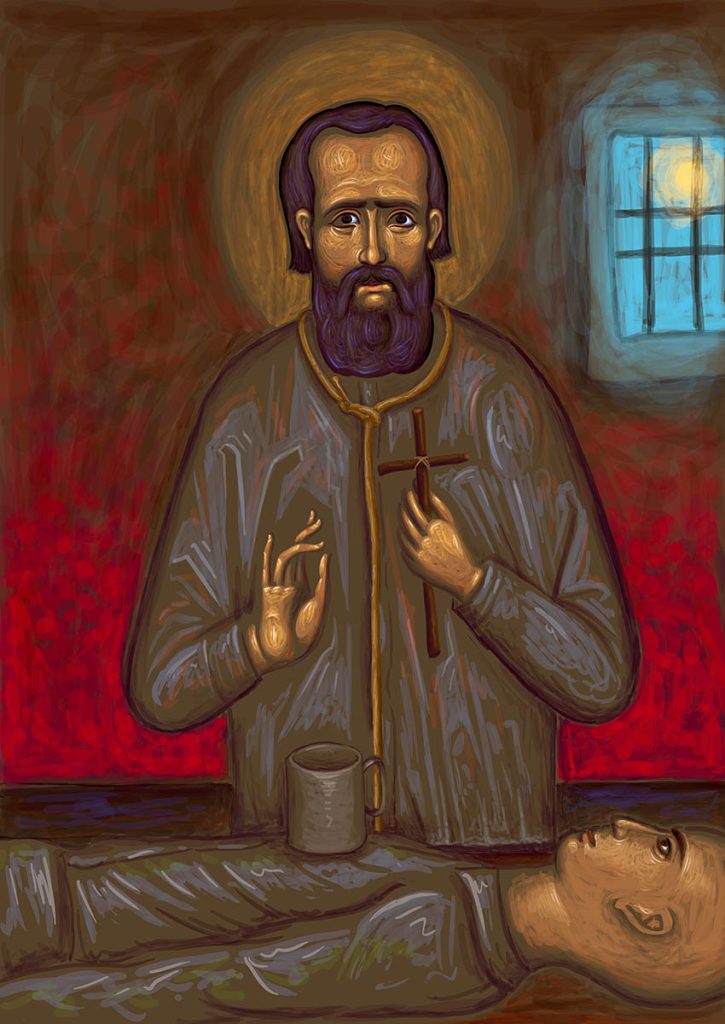
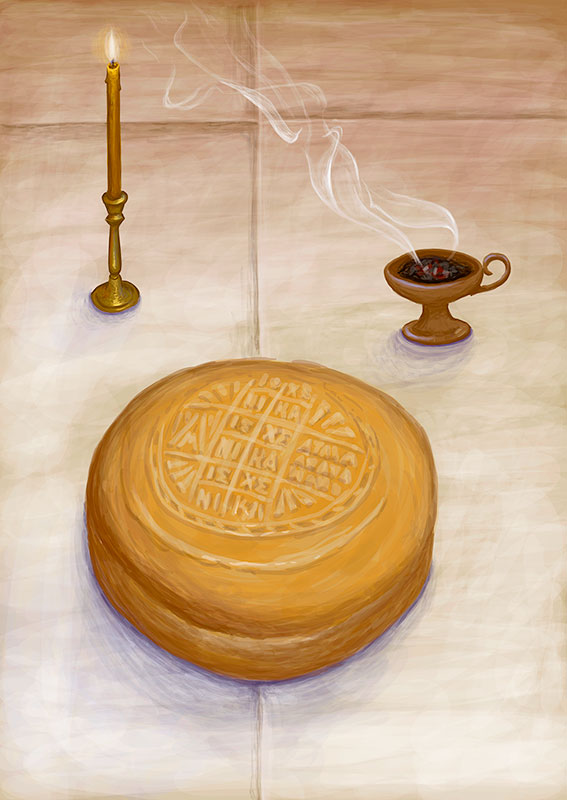
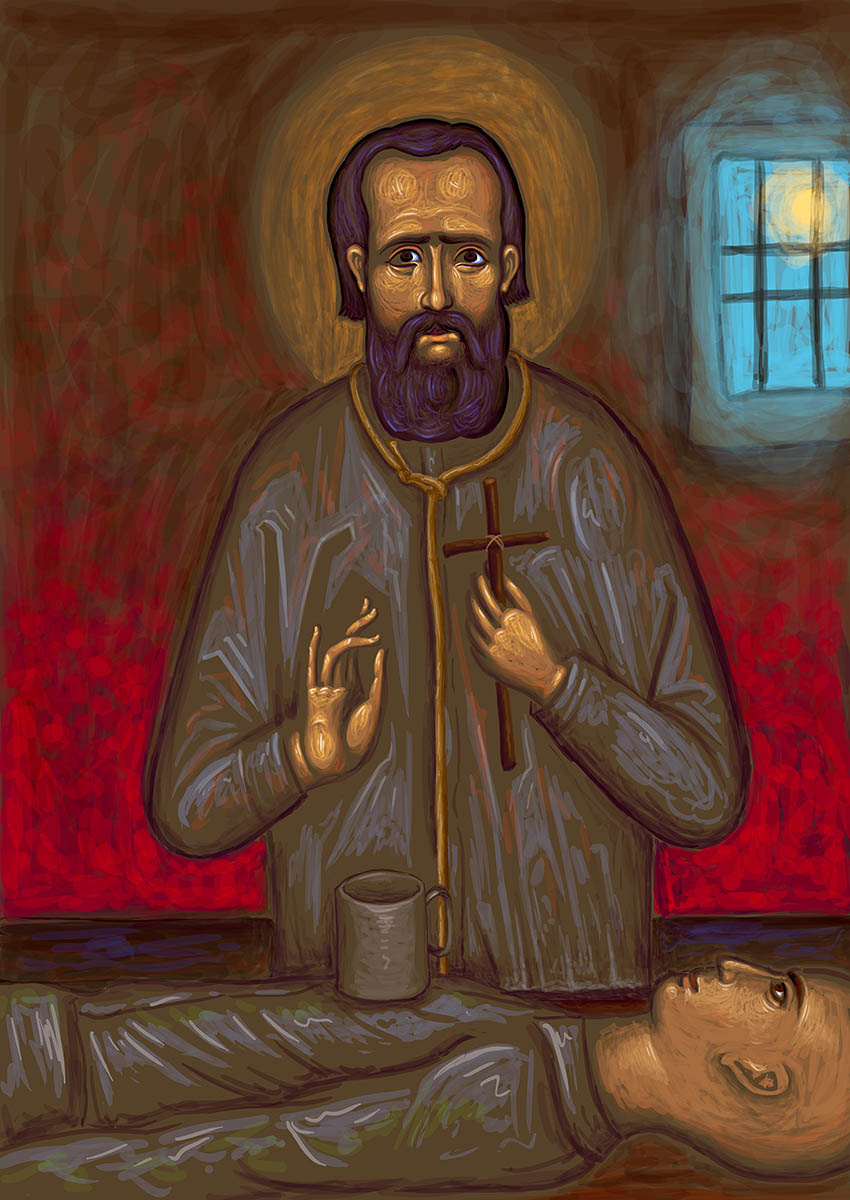 They celebrated the Divine Liturgy daily in a room of the barracks that they had turned into a church. Father Dimitrios used a rope around his neck as an epitrachelion, and for a Holy Altar they had the bodies of those condemned to death. Heaven descended to earth…
 -
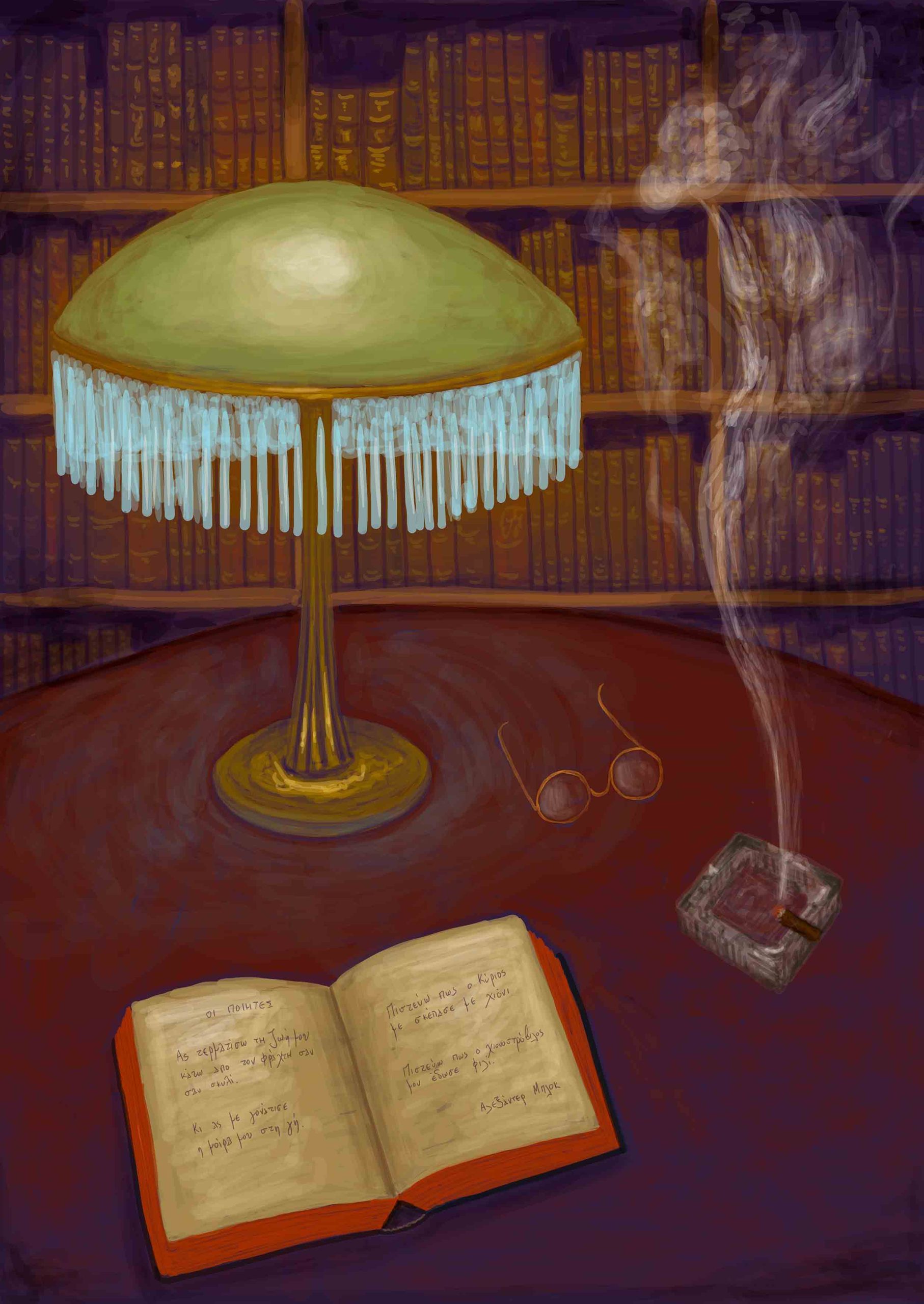
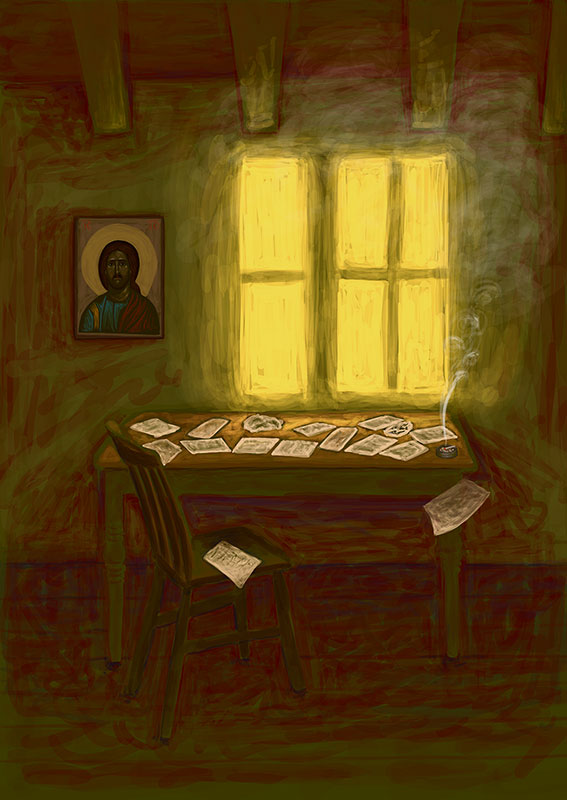
Countless cigarettes created a dense haze in her room.
-
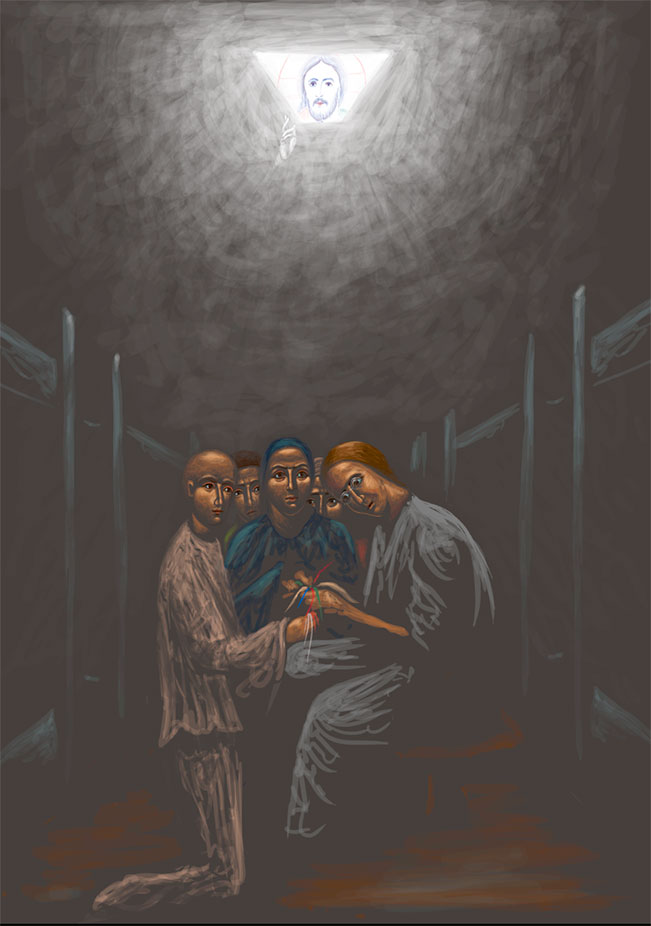
In one of the barracks of Ravensbrück, with its hundred bunk beds, her fellow sufferers gathered around Mother Maria, prisoner number 19263, and watched with eager anticipation the weaving she created from whatever rags, wires, cables, straw, and threads her fellow inmates could find.
-
Mother Maria, like bread offered and broken to be shared, gave not only her remarkable artistic skills but also her scant bread, her tenderness, her words of consolation, and everything she could recall from memory from the Gospels and the lives of the saints.
-
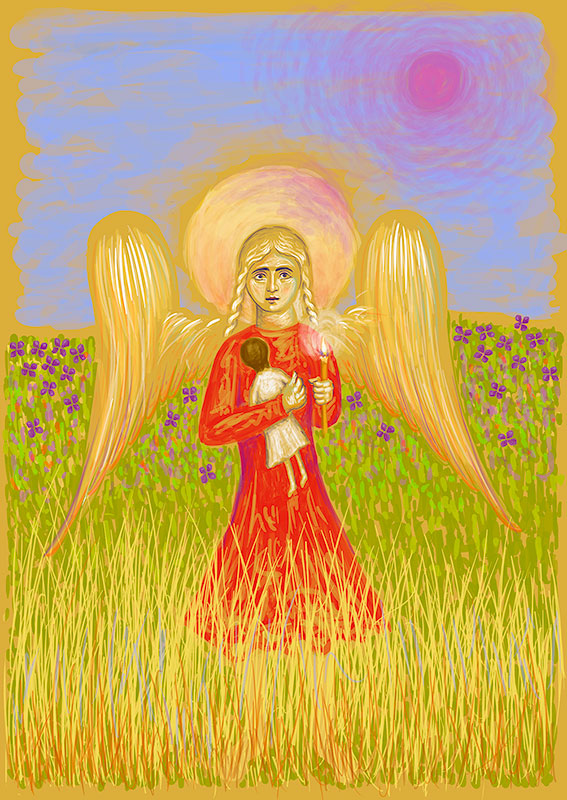
One day, a little girl was walking in the courtyard with her mother, holding a cloth doll that her fellow prisoners had made for her out of rags. The little doll…
-
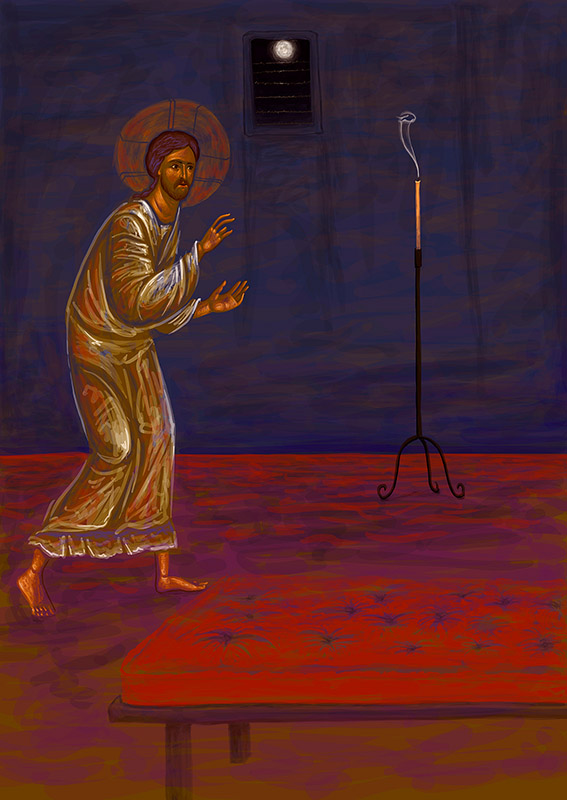
My lord, upon this mattress (which is the only one I will receive) I will live out my final weeks; slowly, little by little, I will fade away.
-
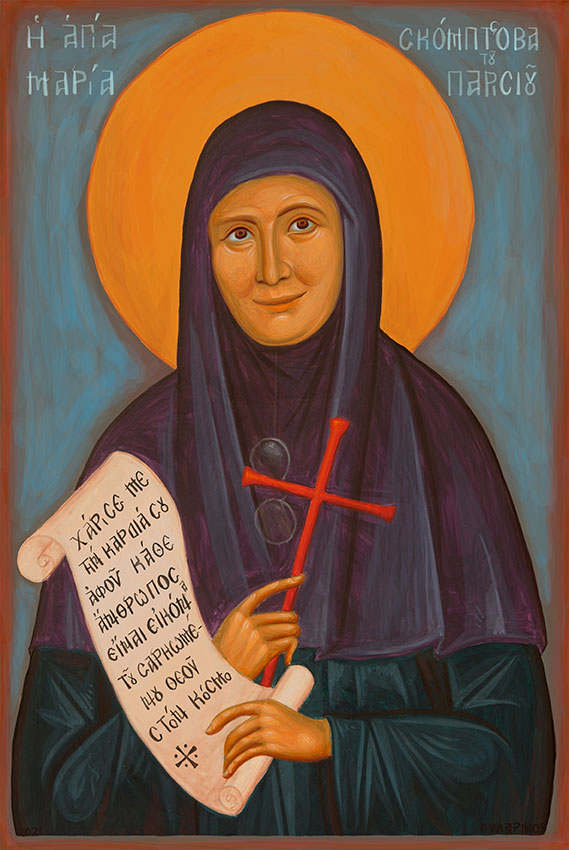
The canonization of Mother Maria took place in 2004 by the Ecumenical Patriarchate, and she was subsequently also recognized as a saint by the Catholic Church.
-
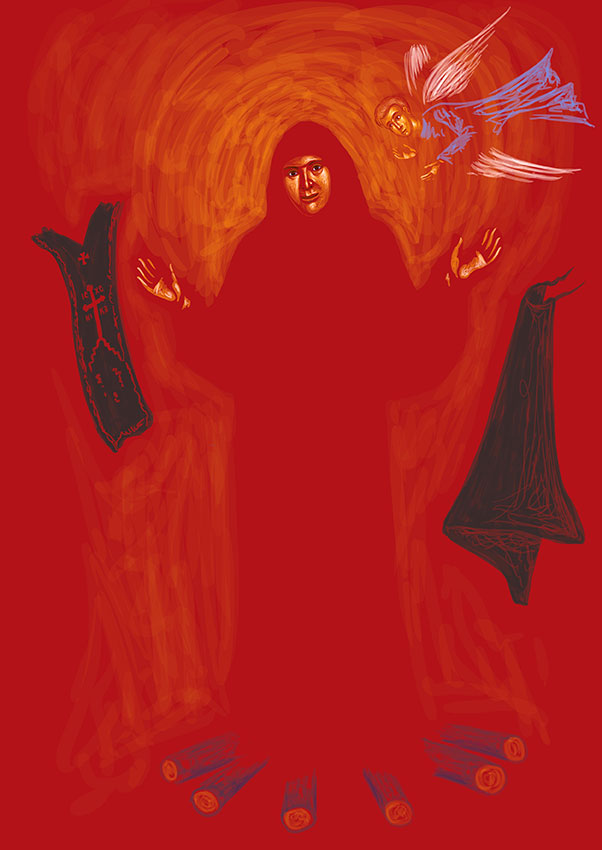
I know the fires will be lit by the calm hand of my sister, and my brothers will bring the firewood. All of life, all of life— burning and swift, and my fire will burn to the chanting of my brothers. There will be a trial before death, my own—merciless, when they strip me of my monastic habit and cast it far away. And judgment will order me to be burned in the fire. And that fire will be my new garment. *Excerpt from a poem by Saint Maria, written on 30/11/1938.*